

Skip to content

IVOSILVEIRA47

Menu
  • HOME
  • Home
  • E-commerce Blog
  • Kids Telescope
E-commerce Blog

Kids Telescope

ivosilveira47.com09/07/202509/07/2025

Share

Facebook
Twitter
Pinterest
0 0
Read Time:18 Minute, 37 Second

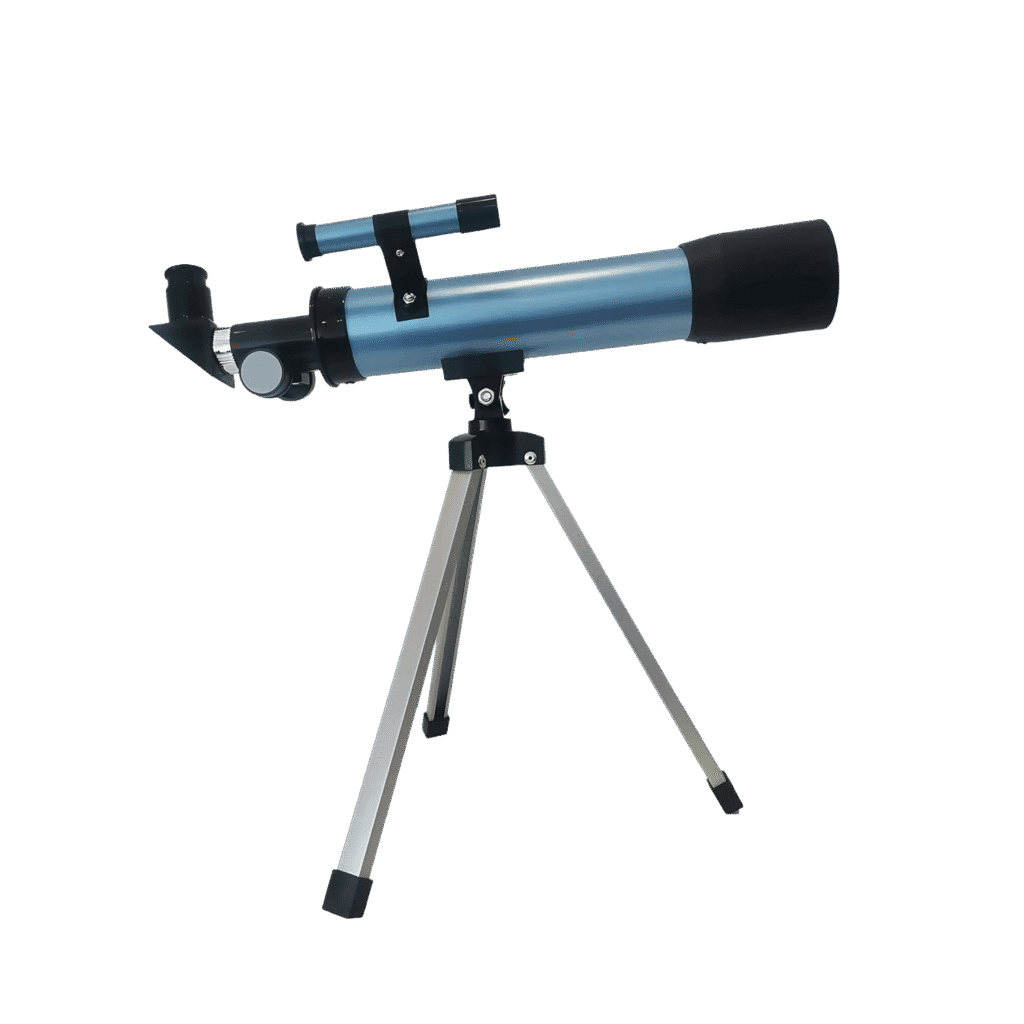
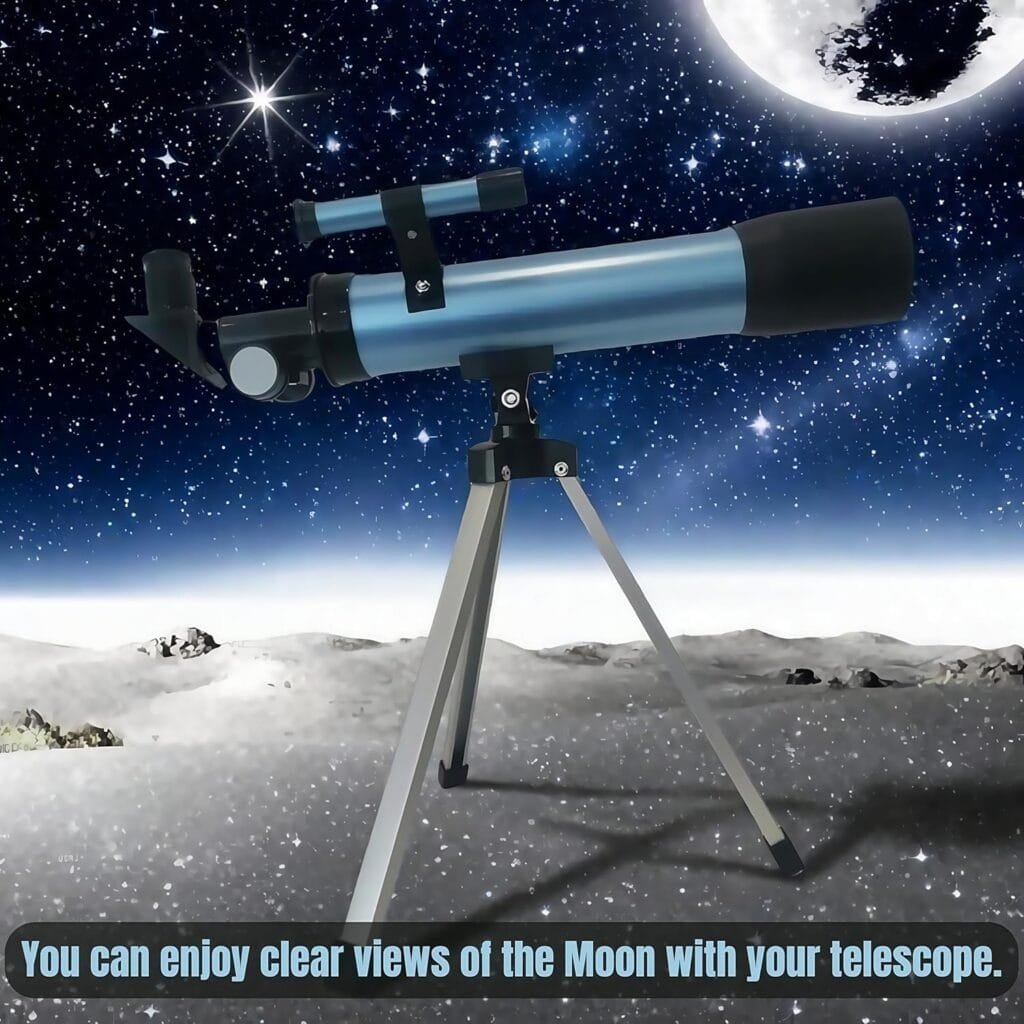
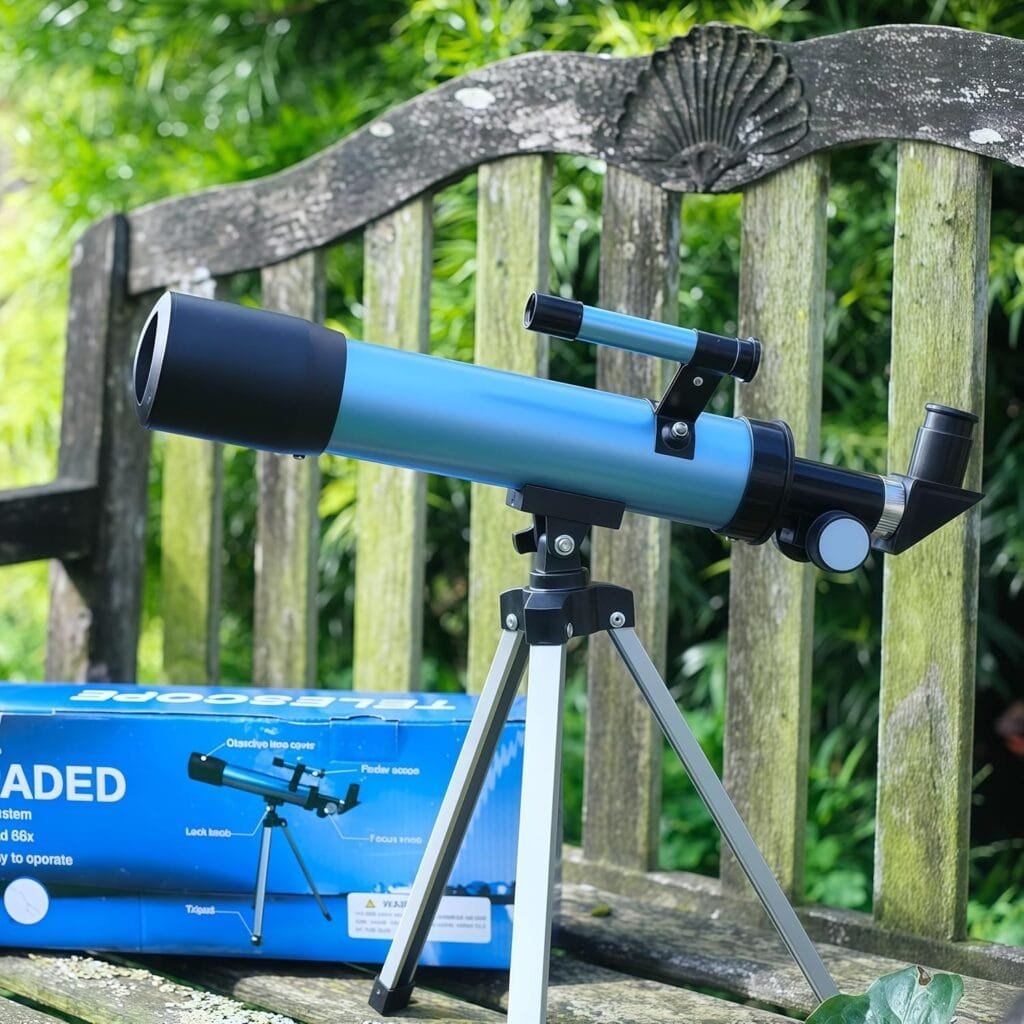
Kids Telescope 50mm 100x Magnification with Tripod & 2 Eyepieces, 400mm Beginner Astronomical Telescope for Moon, Bird & Outdoor Travel, STEM Educational Gift for Boys & Girls Ages 6-12

Click here
Telescope
Click here

Product information

Features & Specs

Eye Piece Lens DescriptionHuygens
MountFixed
Focus TypeManual Focus
Power SourceNo power
FinderscopeReflex
CoatingMulti-Coated
Focal Length Description400mm to 600mm
Field Of View125 Degrees
Zoom Ratio5

Warranty & Support

Amazon.com Return Policy:Amazon.com Voluntary 30-Day Return Guarantee: You can return many items you have purchased within 30 days following delivery of the item to you. Our Voluntary 30-Day Return Guarantee does not affect your legal right of withdrawal in any way. You can find out more about the exceptions and conditions here.

Product Warranty: For warranty information about this product, please click here

Feedback

 
Would you like to tell us about a lower price? 
 

Measurements

Optical-Tube Length400 Millimeters
Objective Lens Diameter50 Millimeters
Item Dimensions D x W x H17″D x 5″W x 3″H
Item Weight600 Grams

Item details

BrandLuzsco
Model NameTelescope-001
ManufacturerLuzsco
Customer Reviews
4.1 4.1 out of 5 stars   (35)

4.1 out of 5 stars

Best Sellers Rank
  • #36,523 in Toys & Games (See Top 100 in Toys & Games)
  • #5 in Kids’ Telescopes
ASINB0DXJTQ89Z
Built-In MediaEyepiece, Finderscope, Objective Lens, Tension Adjustment Knob
Item Height3 inches
Warranty Description2 year manufacture
 

Kids Telescope

      There’s something truly magical about the first time a child looks up at the night sky and realizes it’s more than just twinkling dots. Suddenly, the Moon has craters, Jupiter has moons, and stars are no longer flat specks but distant suns. This moment of wonder can shape a child’s imagination for years to come. And the tool that makes this possible is simple yet powerful: a telescope.

Unlike toys that lose their appeal after a few weeks, a telescope grows with a child’s curiosity. At age six, it might start with spotting the Moon. By age ten, it’s about chasing down Saturn’s rings or identifying constellations. With every use, the telescope becomes a bridge between curiosity and knowledge. It’s not just a piece of equipment—it’s a window into the universe.

Parents today are always searching for gifts that balance fun and learning. A telescope sits at the perfect intersection. It sparks excitement while also teaching patience, focus, and scientific thinking. More importantly, it offers an activity that brings families together, away from screens, under the same vast sky.

Why a Telescope Matters for Early Learning

     When kids are young, the world feels limitless. Their natural curiosity pushes them to ask questions: Why does the Moon change shape? How many stars are there? Can we see Mars tonight? These questions often come at bedtime, when the sky is dark, and parents may not always have the answers. That’s where a telescope comes in.

A telescope transforms abstract concepts into visible realities. Instead of reading about Saturn’s rings in a book or seeing pictures on a screen, children can actually spot them with their own eyes. That moment of discovery creates a deeper connection than any diagram could.

Astronomy also introduces children to the basics of science without feeling like a classroom lesson. Setting up a telescope requires following instructions, adjusting focus, and experimenting with magnification. It’s hands-on problem-solving wrapped in excitement. And when kids succeed in locating a planet or constellation, they experience the thrill of scientific achievement in its purest form.

More than just science, though, using a telescope teaches patience. The stars don’t appear instantly at the twist of a knob. Sometimes kids must adjust, wait, or refocus. In a world of instant gratification, this practice of slowing down and paying attention is a powerful lesson on its own.

Finally, there’s the emotional side of it. A telescope can make a child feel small, but not in a discouraging way. It helps them understand that the universe is vast, and they are part of something bigger. This perspective can be grounding, inspiring, and even comforting.

Exploring the Sky: 20x–100x Magnification Explained

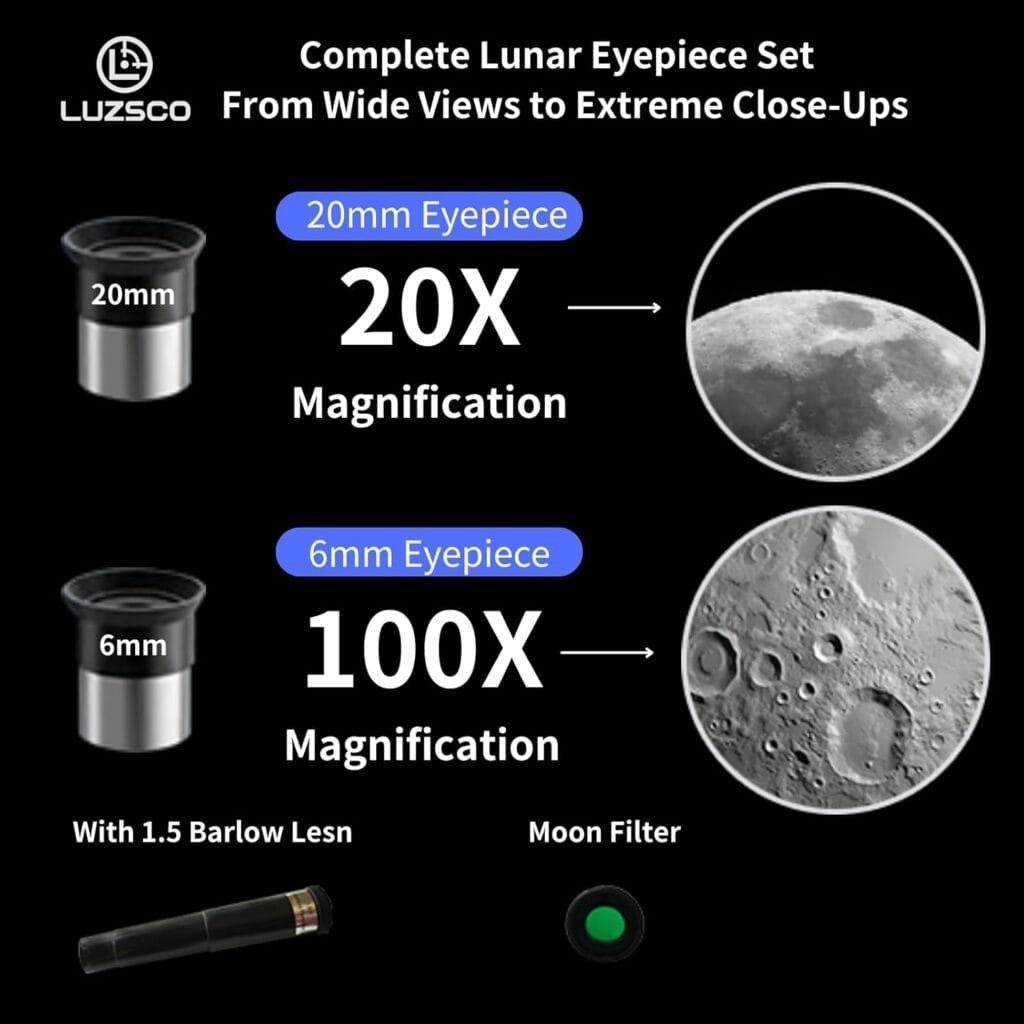
     When parents first hear that a kids’ telescope can zoom from 20x to 100x magnification, it sounds impressive—but what does that really mean? Put simply, magnification determines how much closer an object in the sky appears when viewed through the lens. At 20x, the Moon seems twenty times larger than with the naked eye, and at 100x, children can study its craters in jaw-dropping detail.

For young beginners, this range is ideal. At lower magnification, kids can find large, bright objects—like the Moon or Jupiter—without frustration. As their confidence grows, they can push the telescope’s magnification higher to chase smaller details, like Saturn’s rings or the phases of Venus. This balance of accessibility and challenge makes the telescope more than a one-night novelty—it becomes an ongoing adventure.

Here’s what those numbers mean in practice:

  • 20x Magnification – Wide views, perfect for spotting constellations or scanning the Moon.

  • 50x Magnification – Details emerge: shadows in craters, Jupiter’s moons, and bright star clusters.

  • 100x Magnification – Kids can focus on planets with greater clarity, watching Saturn’s ring system or Mars’ reddish surface.

The real joy, though, comes not from the numbers but from the reactions. Imagine a nine-year-old shouting, “I can see Saturn’s rings!” or an eight-year-old whispering in awe, “The Moon looks so close.” Those moments stick with them, building a lasting sense of curiosity and wonder.

Complete Kit: What’s Inside the Beginner Telescope Set

Buying a telescope for a child can feel overwhelming if you’ve never shopped for one before. Many parents wonder: What do I actually need? Will it be complicated to use? That’s why a complete beginner’s telescope kit makes things simple.

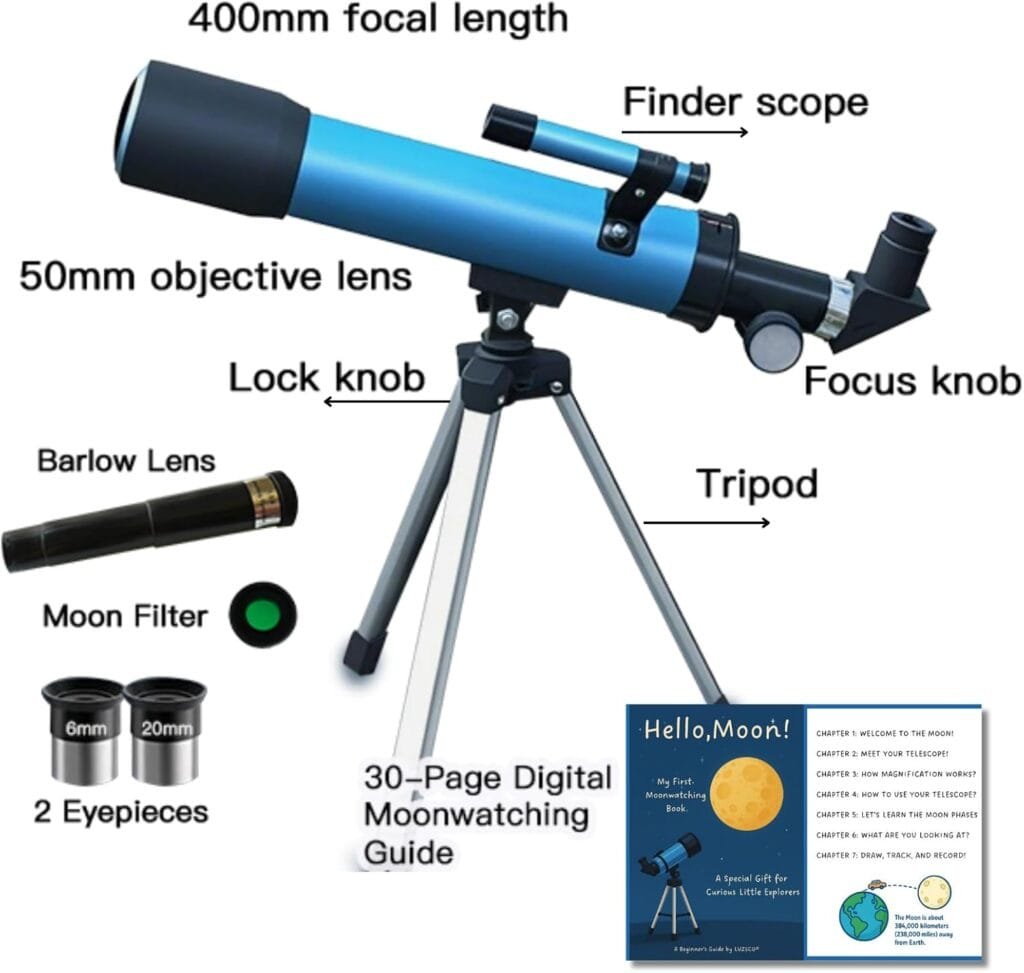
This kids’ telescope package comes with everything needed to get started right away:

  1. A Sturdy Tripod – The tripod is the foundation. Without it, even the best telescope becomes shaky and frustrating. The tripod included here is lightweight yet stable, built to match the height and size of kids ages 6–12. It keeps the telescope steady while remaining easy to carry to the backyard or park.

  2. Finderscope – Think of the finderscope as training wheels for the telescope. It’s a small auxiliary scope mounted on top of the main one, helping children locate objects more easily. Instead of blindly searching the sky, kids align the finderscope with their target and then switch to the main lens. It’s a small addition that makes a big difference in building confidence.

  3. Two Eyepieces (6mm & 20mm) – Eyepieces control magnification. The 20mm eyepiece is great for wide, easy views, while the 6mm eyepiece zooms in for detail. Swapping between the two gives kids options, depending on whether they want to scan the sky broadly or focus closely.

  4. Barlow Lens – This clever accessory doubles or even triples magnification when paired with the eyepieces. It’s like getting extra telescopes in one package. With it, children can jump from casual stargazing to deeper exploration without buying extra gear.

  5. Simple Assembly – Parents will be relieved to know that this telescope isn’t a nightmare to set up. The parts fit together intuitively, with clear instructions. Even kids can learn to assemble it, turning the process into a fun pre-stargazing ritual.

Together, these features ensure kids aren’t just handed a piece of equipment—they’re given the full toolkit to begin a journey into astronomy. The kit also helps parents avoid the common trap of buying a cheap toy telescope that looks exciting but delivers blurry, disappointing views. Instead, this package balances affordability with real performance.

Kid-Friendly Design: Safe, Durable, and Fun

     Children are naturally curious—and sometimes a little clumsy. That’s why a telescope designed for kids needs to be tough enough to handle small hands and the occasional bump. This model is built with durability in mind, using sturdy materials that don’t break easily during outdoor adventures.

Another thoughtful design feature is its size. Unlike full-sized professional telescopes that feel overwhelming, this telescope is lightweight and perfectly scaled for kids. It’s easy to move around the yard or bring along on a camping trip. For children, that portability creates a sense of ownership—they feel it’s truly their telescope, not something too fragile to touch.

Safety is also key. The eyepieces and parts are smooth, with no sharp edges, making them safe for younger children. And because the optics are multi-coated, kids get bright, sharp images without distortion, helping them stay excited instead of frustrated.

In short, this isn’t just a telescope—it’s a beginner’s learning tool carefully designed with children in mind.

The Science Behind the Lens: How a Telescope Works

     For many kids (and even adults), a telescope can feel a little like magic. You look through one end, and suddenly the Moon looks close enough to touch. But behind that “magic” is some fascinating science. Understanding it—even in a simple way—can help children appreciate just how incredible their telescope really is.

At its core, a telescope collects light. The more light it gathers, the more details you can see. Imagine holding a small cup in the rain—you’ll catch only a little water. But hold out a big bucket, and suddenly you have much more. A telescope works the same way, except instead of raindrops, it’s collecting light from stars, planets, and galaxies that may be millions of miles away.

Once the light is collected, lenses or mirrors bend and focus it into a clear image. That’s why the quality of the lenses in a telescope matters so much. Multi-coated optics, like the ones in this kids’ telescope, reduce glare and distortion, making sure what your child sees is sharp and bright.

There are two main types of telescopes:

  • Refracting Telescopes – These use glass lenses to bend light. They’re often simple, sturdy, and great for beginners.

  • Reflecting Telescopes – These use mirrors instead of lenses. They’re usually larger and more powerful, though often more fragile.

The telescope we’re focusing on is a refractor, which is ideal for kids. It’s straightforward, durable, and less likely to go out of alignment. In other words, kids can focus on discovering the sky, not on fiddling with complicated adjustments.

And here’s the most exciting part: when children realize they’re looking at actual light that traveled across space—sometimes for millions of years before reaching their telescope—they begin to grasp the enormity of the universe. That single beam of starlight tells a story that began long before they were born.

Educational Value: Turning Curiosity Into STEM Skills

      Parents are often looking for ways to get kids more interested in science, and a telescope is one of the best tools for that job. Unlike textbooks or YouTube videos, which can feel distant, a telescope gives kids a direct, hands-on experience with space.

Here are a few ways it blends fun with education:

  1. Observation Skills – Using a telescope teaches children to observe carefully. They learn to notice small details, like the difference between two stars or the changing shadows on the Moon’s surface.

  2. Patience & Problem Solving – Sometimes, finding a planet isn’t easy. Kids may need to adjust the tripod, realign the finderscope, or refocus the eyepiece. These small challenges teach problem-solving in real time.

  3. STEM Foundation – Astronomy combines science, technology, engineering, and math. Kids using a telescope naturally encounter concepts like optics, distances, and planetary motion—without even realizing they’re learning STEM.

  4. Hands-On Learning – Unlike classroom lectures, this is learning by doing. Adjusting the telescope, swapping lenses, or trying different magnifications helps kids see how changes affect outcomes.

  5. Critical Thinking – Once children start asking questions like “Why does the Moon change shape?” or “Why is Mars red?” they begin practicing critical thinking—seeking explanations instead of just accepting what they’re told.

  6. Confidence Building – There’s nothing quite like the moment a child finds Jupiter’s moons for the first time. That sense of achievement builds confidence, showing them that with focus and effort, they can uncover hidden wonders.

Teachers and parents often note that kids who start with astronomy develop stronger curiosity about other sciences too. A telescope might be the spark that inspires a child to pursue physics, engineering, or even space exploration later in life.

Perfect STEM Educational Gift for Kids

      In a world filled with video games, smartphones, and endless streaming, finding a gift that’s both fun and educational can feel impossible. But a telescope checks both boxes. It’s exciting because it feels like a real adventure tool, and it’s educational because it pushes kids to explore, think, and learn.

This makes it one of the best STEM (Science, Technology, Engineering, Math) gifts you can give. Instead of just unwrapping another toy, kids unwrap the chance to explore the universe. And unlike trendy gadgets that fade in popularity, astronomy is timeless. The night sky will always be there, waiting for curious eyes.

Parents love that this telescope grows with their child. A six-year-old may begin with the Moon, while a twelve-year-old might push further, exploring distant planets or star clusters. It’s not just a one-season gift—it’s an ongoing journey.

And because it encourages both independent learning and family bonding, a telescope fits into nearly every household. It’s the kind of gift that doesn’t just entertain—it shapes how a child thinks about the world and their place in it.

Perfect Occasions: Birthdays, Holidays, and Everyday Learning

If you’ve ever struggled to find a meaningful gift for a child, you’re not alone. Kids’ interests change quickly, and it can be difficult to choose something that excites them today and still engages them tomorrow. That’s where a telescope stands out.

Imagine the moment a child unwraps their telescope on a birthday morning or holiday evening. Instead of another toy that ends up forgotten in a closet, they’ve been given a window to the stars. And the best part? The fun doesn’t end after a few days. Every clear night becomes a new opportunity to explore.

Here are a few moments when gifting a telescope makes an especially strong impression:

  • Birthdays – It feels personal and exciting, offering kids something unique compared to the usual board games or gadgets.

  • Christmas & Holidays – Winter skies are often clearer, and long nights mean more time for family stargazing.

  • Graduations or Milestones – For a child who loves science, a telescope is a thoughtful way to encourage their passion.

  • “Just Because” Surprises – Sometimes the best gifts are unexpected. Surprising a child with a telescope on an ordinary day can transform an evening into something magical.

Beyond these big events, a telescope also works beautifully as an everyday learning tool. Parents can tie it into school projects, like phases of the Moon or solar system studies, making homework feel like an adventure instead of a chore.

Tips for Parents: Helping Kids Get the Best View

While the telescope is designed to be kid-friendly, parents can play an important role in making stargazing more fun and less frustrating. Here are some tips that help children get the most out of their experience:

  1. Choose the Right Location – Light pollution is the enemy of stargazing. The darker the sky, the more your telescope will reveal. Even moving from the backyard to a nearby park can make a big difference.

  2. Start With the Moon – The Moon is the easiest and most rewarding first target. Its craters, shadows, and bright surface never fail to impress kids. Once children get the hang of finding the Moon, they’ll feel more confident moving on to planets and stars.

  3. Keep Sessions Short and Fun – For younger kids, attention spans can be short. Instead of marathon viewing sessions, aim for quick, exciting peeks. Over time, their curiosity will naturally grow into longer stargazing nights.

  4. Encourage Note-Taking or Sketching – Kids love to draw what they see. Giving them a notebook to sketch the Moon or record their discoveries makes the experience more interactive and memorable.

  5. Bundle Up for Comfort – Stargazing often means chilly nights. Warm clothes, blankets, and even hot cocoa can make the outing feel cozy and special.

  6. Be Patient – Sometimes clouds roll in, or a planet isn’t visible. Use those moments to talk about space, watch documentaries, or read astronomy books together. The sky will be waiting another night.

These little steps turn telescope time into an event kids look forward to, rather than a one-off novelty.

Beginner vs. Advanced Models: How This Telescope Stands Out

Parents who start researching telescopes quickly realize the options can be overwhelming. There are small beginner kits, mid-range models, and professional-grade telescopes that cost hundreds—or even thousands—of dollars. So where does this kids’ telescope fit?

  • Beginner-Friendly – This telescope is intentionally simple. It comes with just the right accessories to make stargazing accessible without overwhelming kids. Advanced models often require detailed setup, calibration, and knowledge that children ages 6–12 aren’t ready for.

  • Size and Weight – Professional telescopes can be bulky and heavy. This model is portable and sized perfectly for small hands, which makes kids more likely to use it.

  • Price Point – Parents don’t need to spend a fortune to introduce their children to astronomy. This telescope offers genuine performance at a reasonable cost, striking a balance between toy-like kits (which can be disappointing) and professional setups (which are intimidating).

  • Durability – Advanced telescopes can be delicate, with precision mirrors that require careful handling. This one is built with kids in mind, able to withstand bumps, curious hands, and outdoor adventures.

That doesn’t mean kids will outgrow this telescope too quickly. In fact, many older beginners still use it for casual stargazing. And if a child’s passion deepens, parents can later upgrade to a more advanced model with confidence, knowing the foundation has already been set.

Common Questions Parents Ask About Kids’ Telescopes

Q: Will my child really be able to see planets?
Yes! With the right conditions, this telescope can show the rings of Saturn, the moons of Jupiter, and even Mars’ reddish glow. It’s important to manage expectations—it won’t look like a high-definition NASA photo—but the excitement comes from seeing it with their own eyes.

Q: Is it difficult to set up?
Not at all. This telescope was designed to be easy to assemble, even for beginners. Most parents report having it ready to use within 10–15 minutes.

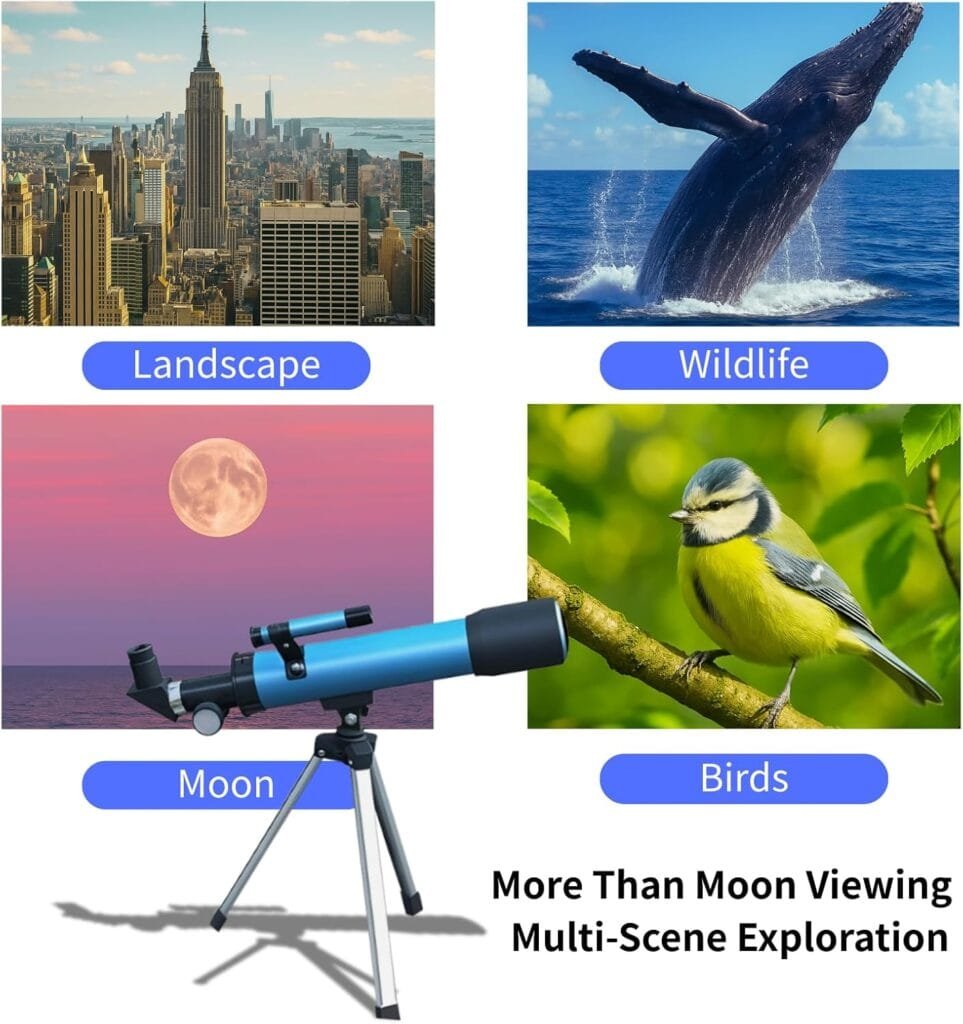
Q: Can it be used during the day?
Absolutely. While it shines brightest at night, the telescope can also be used for daytime viewing. Kids can observe distant landscapes, wildlife, or even planes flying overhead.

Q: What if my child loses interest?
The good news is that the telescope has a wide range of uses—nighttime astronomy, school projects, camping, and even daytime nature viewing. And even if it sits unused for a while, the stars aren’t going anywhere. Many children rediscover their telescope months later with fresh excitement.

Q: Do we need extra accessories?
No. The kit already includes eyepieces, a finderscope, and a Barlow lens for multiple magnification options. Parents may eventually choose to add a star map or astronomy guidebook, but nothing is required to get started.

Q: How safe is it for kids?
Very safe, as long as children are supervised and follow the golden rule: never point the telescope at the Sun. The lenses magnify light so strongly that it can damage eyesight. For night and nature viewing, however, it’s completely safe.

Inspiring Future Astronomers: Stories of Discovery

Every scientist, explorer, or innovator has a moment in childhood when their curiosity was sparked. For many astronomers, that spark began with a simple telescope.

Take, for example, Carl Sagan, who as a boy grew fascinated by the stars visible from his New York apartment window. He often spoke about how seeing Saturn’s rings through a telescope for the first time changed his life. That moment of wonder eventually led him to become one of the most beloved science communicators in history.

Or consider Maria Mitchell, America’s first female professional astronomer. She grew up in a small town where her father shared the night sky with her through a family telescope. That early encouragement inspired her to discover a comet and pave the way for women in science.

Even in modern times, many astronauts recall their childhood memories of stargazing as the fuel that drove them to pursue space exploration. It’s remarkable to think that handing a child a telescope today could set them on a path toward becoming tomorrow’s astronaut, scientist, or engineer.

But inspiration doesn’t always have to lead to careers. For countless kids, using a telescope simply creates a deeper love for nature, science, and the universe. That sense of awe is valuable in itself. It nurtures imagination, critical thinking, and resilience—qualities that benefit children no matter where life takes them.

Conclusion – The Universe Awaits

At the end of the day, a telescope is much more than a piece of equipment. It’s a doorway. A doorway that takes children beyond their backyard, beyond their city, and straight into the vastness of the cosmos.

For kids ages 6–12, this telescope offers the perfect balance of power, simplicity, and durability. It provides magnification strong enough to reveal the Moon’s craters and Saturn’s rings, yet remains easy to handle with small hands. Its complete kit—tripod, finderscope, eyepieces, and Barlow lens—ensures that children can dive into astronomy without needing anything extra. And most importantly, it transforms curiosity into discovery.

Parents searching for a gift that is both fun and educational will find that a telescope offers lasting value. Unlike fleeting gadgets or toys, it grows with a child, opening new doors as their skills and interests expand. It creates family bonding moments, sparks meaningful conversations, and inspires a lifelong appreciation for science.

The night sky has captivated humanity for thousands of years. Now, with this beginner-friendly telescope, kids can experience that same sense of wonder firsthand. Who knows what they’ll discover tonight? The universe is waiting.

Denon Home 150

Denon Home 150 Review: Small Speaker, Big Sound Experience

11/03/2025 No Comments

Denon Home 150 Wireless Smart Speaker – Compact Design, Wi-Fi & Bluetooth, HEOS Built-in, Alexa Built-in, Siri & AirPlay 2, Spotify Connect, Multi-Room Support, White

Read More »

Devialet Phantom: The Future of Luxury Sound and Pure Innovation

10/31/2025 No Comments

Devialet – Phantom I 108dB – High-Fidelity Wireless Speaker – Gold – Implosive Soundstage – Zero Distortion – Bluetooth Speaker – Loud Stereo Sound, Deep

Read More »

Enhance Select 50R – Premium Hearing Technology for Less

10/29/2025 No Comments

Jabra Enhance Select 50R Clinic-Quality OTC Hearing Aids, Audiology Services Included, Bluetooth Streaming for Calls, Music, Media (iOS/Android), Nearly Invisible & Comfortable, Grey   Click

Read More »

Enhance Select 300 Review: Advanced Hearing Technology for Less

10/24/2025 No Comments

Jabra Enhance Select 300 Clinic-Quality OTC Hearing Aids Click here Click here Product details Product Dimensions ‏ : ‎ 1.14 x 0.33 x 0.1 inches; 0.08

Read More »
Jabra Enhance Select 700

Enhance Select 700 — Next-Generation Hearing Aids with Smart Features and Clinic-Quality Sound

10/23/2025 No Comments

Jabra Enhance Select 700 Clinic-Quality OTC Hearing Aids   Click here Click here Product details Product Dimensions ‏ : ‎ 1.04 x 0.3 x 0.1 inches;

Read More »

Enhance Select 500 Review: Advanced, Discreet and Affordable Hearing Aid Solution

10/22/2025 No Comments

Jabra Enhance Select 500 Clinic-Quality OTC Hearing Aid with Audiology Services Included, Bluetooth Streaming for Calls, Music, and Media (iOS/Android), 3Year Warranty, Nearly Invisible, Silver

Read More »

About Post Author

ivosilveira47.com

evosilveira47@gmail.com
http://ivosilveira47.com
Happy
Happy
0 0 %
Sad
Sad
0 0 %
Excited
Excited
0 0 %
Sleepy
Sleepy
0 0 %
Angry
Angry
0 0 %
Surprise
Surprise
0 0 %

Post navigation

Previous

Previous post:

Oakley | Meta HSTN

Next

Next post:

Magsafe Battery Pack 10000mAh

Previous post Oakley | Meta HSTN
magsafe charger Next post Magsafe Battery Pack 10000mAh

Average Rating

5 Star
0%
4 Star
0%
3 Star
0%
2 Star
0%
1 Star
0%
(Add your review)

Leave a Reply Cancel reply

Your email address will not be published. Required fields are marked *

  • November 2025
  • October 2025
  • September 2025
  • July 2025
  • May 2025
  • April 2025
  • February 2025
  • January 2025
  • December 2024
  • November 2024
  • October 2024
  • September 2024
  • August 2024
  • July 2024
  • June 2024
  • March 2024
  • February 2024
  • January 2024
  • Audio Devices
  • Audio Reviews
  • E-commerce Blog
  • Gaming Accessories
  • Headphones
  • Technology Reviews
Close
Menu
  • HOME

Related Post

Denon Home 150 Review: Small Speaker, Big Sound Experience

11/03/2025

Devialet Phantom: The Future of Luxury Sound and Pure Innovation

10/31/202510/31/2025

Enhance Select 50R – Premium Hearing Technology for Less

10/29/202510/31/2025

Enhance Select 300 Review: Advanced Hearing Technology for Less

10/24/202510/24/2025

Enhance Select 700 — Next-Generation Hearing Aids with Smart Features and Clinic-Quality Sound

10/23/2025

Enhance Select 500 Review: Advanced, Discreet and Affordable Hearing Aid Solution

10/22/202510/22/2025
IVOSILVEIRA47.COM | Copyright
  • About us
  • Privacy Policy