
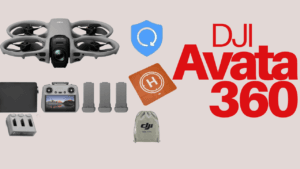
Product Information
| Special Features | First Person View (FPV) |
|---|---|
| Video Capture Resolution | 8K |
| Effective Still Resolution | 120 mp |
| Connectivity Technology | Bluetooth, Wi-Fi |
| Video Capture Format | MP4 |
| Control Type | Remote Control |
| Maximum Range | 20 km |
| Wireless Communication Technology | O3 (OcuSync 3) |
| Battery Cell Composition | Lithium Ion |
| Optical Sensor Technology | CMOS |
| Smart Home Compatibility | Not Smart Home Compatible |
| Color | Black |
|---|---|
| Material | Plastic |
| Brand Name | DJI |
|---|---|
| Model Name | DJI Avata 360 |
| Age Range Description | Adult |
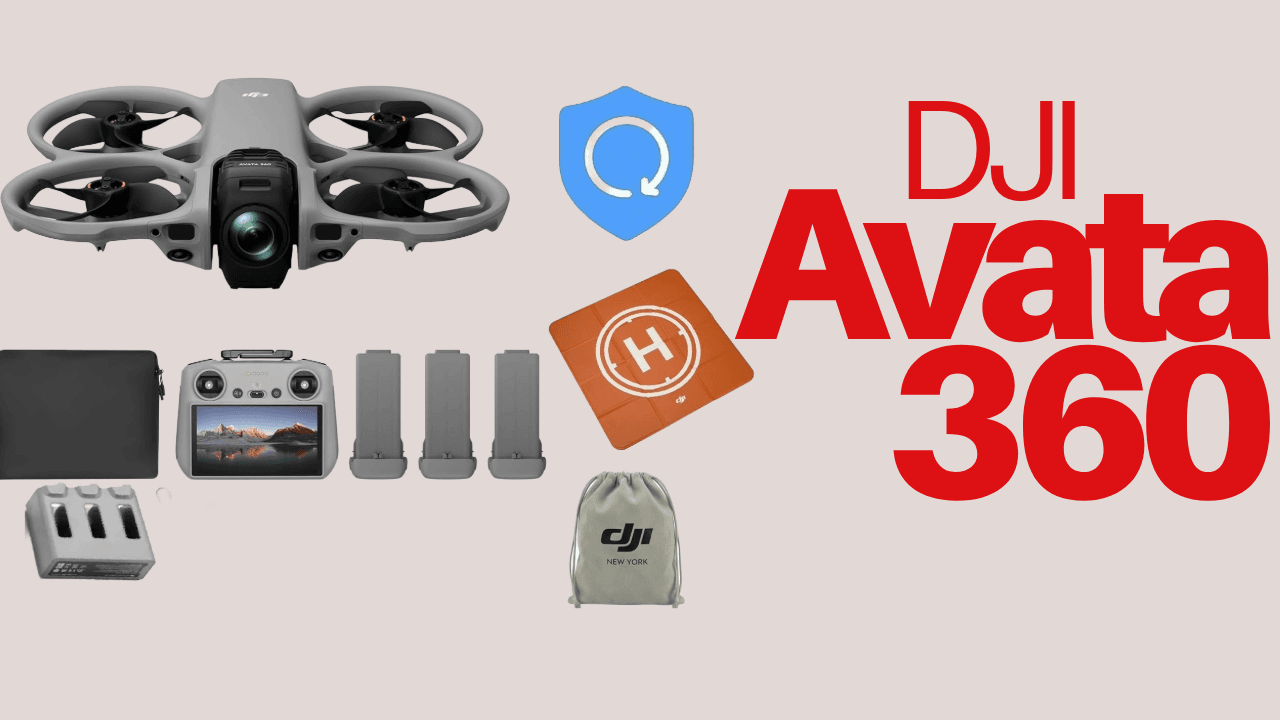
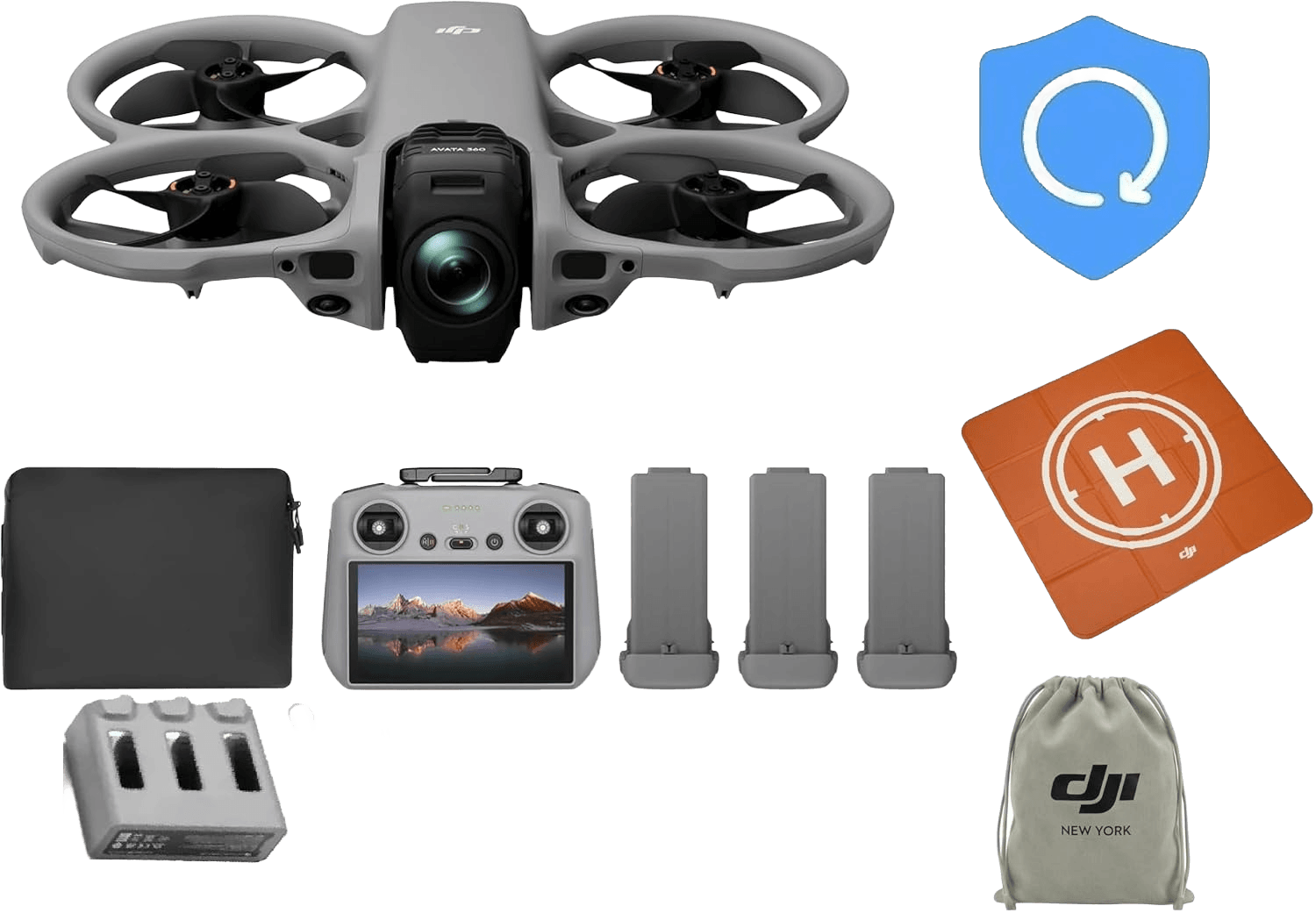
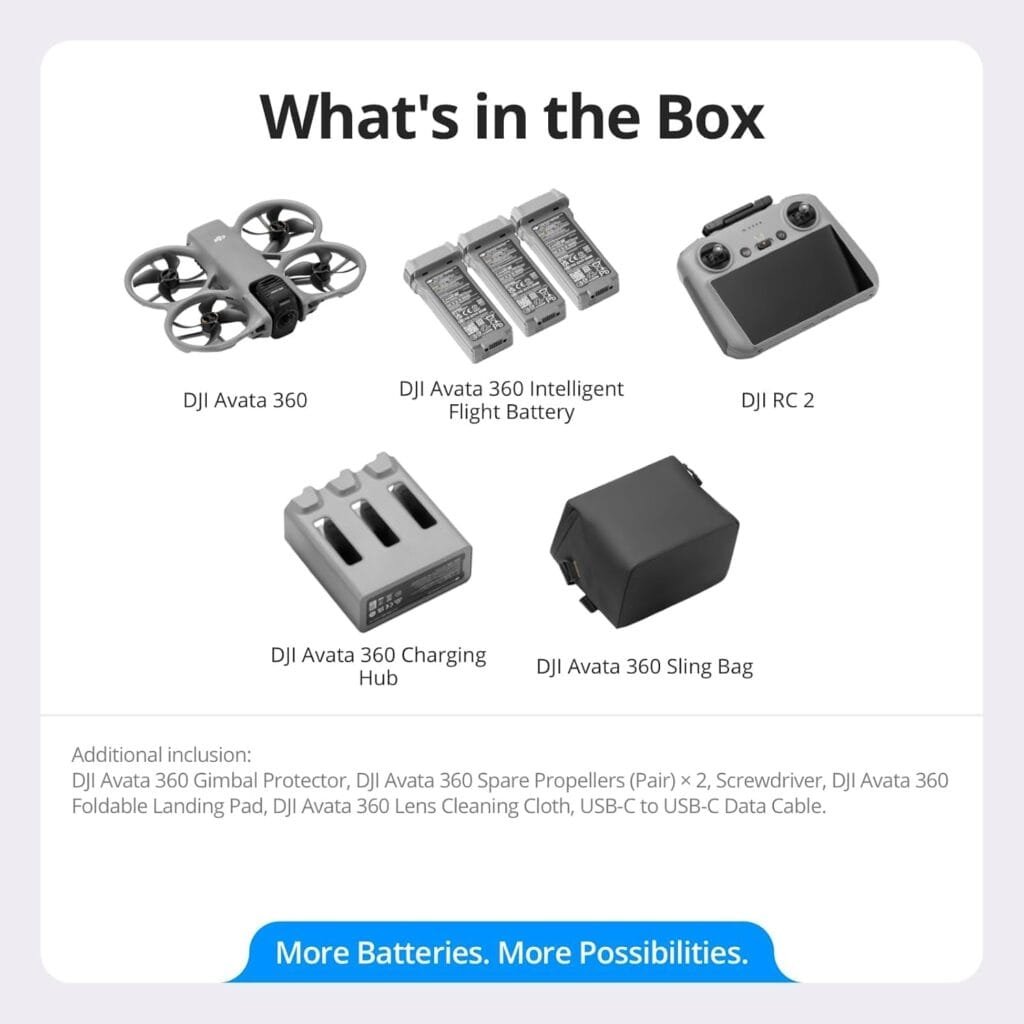
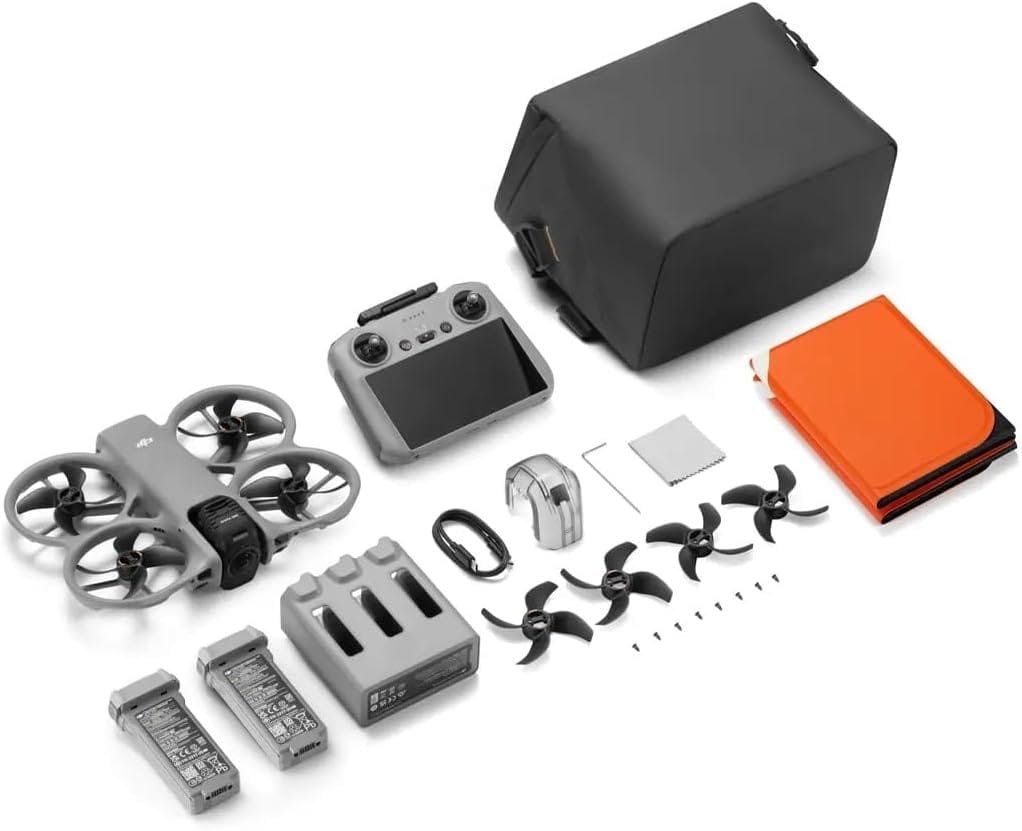
| Included Components | DJI Avata 360 x 1, DJI RC 2 x 1, DJI Avata 360 Intelligent Flight Battery x 3, DJI Avata 360 Charging Hub x 1, DJI Avata 360 Gimbal Protector x 1, DJI Avata 360 Spare Propellers (Pair) x 2, Screwdriver x 1, DJI Avata 360 Sling Bag x 1, DJI Avata 360 Foldable Landing Pad x 1, DJI Avata 360 Lens Cleaning Cloth x 1, USB-C to USB-C Data Cable x 1 |
| UPC | 190021163102 |
| Manufacturer | DJI |
| Model Number | 6937224137622 |
| Part Number | 6937224137622 |
| Best Sellers Rank |
|
| ASIN | B0G4R9GZYR |
| Customer Reviews | 3.9 out of 5 stars |
| Item Weight | 455 g |
|---|---|
| Item Dimensions L x W x H | 9.69″L x 7.83″W x 2″19″H |
Warranty & Support
Amazon.com Return Policy:Amazon.com Voluntary 30-Day Return Guarantee: You can return many items you have purchased within 30 days following delivery of the item to you. Our Voluntary 30-Day Return Guarantee does not affect your legal right of withdrawal in any way. You can find out more about the exceptions and conditions here.
Feedback
DJI Avata 360 Review: A New Way to Capture Every Angle
Drone creators are always looking for one thing: more freedom. They want the freedom to fly safely, frame creatively, shoot in high quality, and come back with footage that feels different from everything else online. That is where DJI Avata 360 comes in as a very exciting idea for pilots, vloggers, travel creators, real estate shooters, outdoor adventurers, and anyone who wants more than ordinary aerial video.
Most drones are built around one main camera direction. You point the drone, angle the gimbal, and try to get the shot right while flying. That approach works, but it can also be stressful. You may miss a moment because the drone was facing the wrong way. You may wish you had filmed slightly higher, lower, or wider. You may come home and realize the best part of the scene happened just outside the frame.
DJI Avata 360 changes that style of shooting by giving creators a full 360-degree view from one flight. Instead of thinking only about one angle while you are in the air, you can capture everything around the drone and choose your best view later. That single idea makes the flying experience feel more relaxed, flexible, and creative.
For people who create content regularly, this can be a serious advantage. One flight can become a cinematic clip, a vertical social media reel, a wide landscape shot, a dramatic follow shot, or a unique rotating perspective. You do not always need to fly the same route again and again to collect different angles. You can film once, then reframe the footage in post-production.
DJI Avata 360 is also built with strong imaging features, intelligent safety tools, long-range video transmission, and a practical kit that includes the drone, DJI RC 2, Charging Hub, Sling Bag, and three batteries. That makes it feel less like a basic drone and more like a complete creative package for people who want to spend more time filming and less time worrying about setup.
Drone footage has become very common online. Beautiful beaches, city skylines, mountains, roads, forests, and houses are filmed every day. Because of that, creators need new ways to make their footage stand out. Smooth flying is still important, but camera movement and perspective matter just as much.
DJI Avata 360 gives creators a new kind of visual language. The 360degree imaging system allows the viewer to feel surrounded by the scene. Instead of only seeing what is in front of the drone, the footage can reveal what is above, below, behind, and around the aircraft. This makes the final video feel more immersive and less predictable.
For example, imagine flying through a narrow path between trees. With a traditional drone, you would need to keep the camera pointed forward and hope the framing stays perfect. With a 360degree capture system, you can later reframe the shot to follow a path, look back at the opening behind you, tilt toward the sky, or rotate dramatically as the drone moves forward. The flight stays the same, but the final creative options multiply.
This is especially useful for creators who shoot travel videos, action scenes, property tours, events, and social media content. Sometimes the best angle is not obvious while flying. The ability to decide later can save footage that might otherwise feel ordinary.
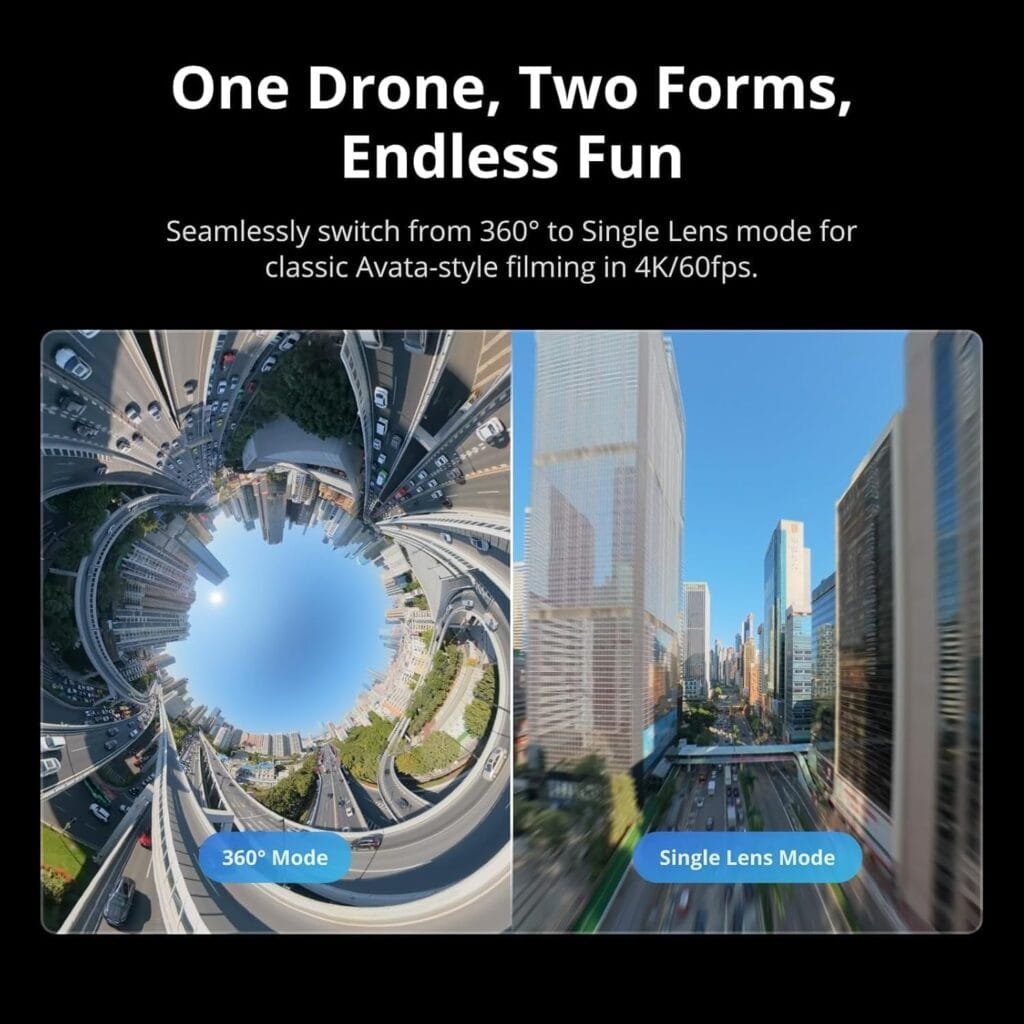
DJI Avata 360 also supports Single Lens mode, which means you’re not locked into 360degree content all the time. You can switch to a more traditional shooting style if you want classic Avatar-style filming in 4K/60fps. That flexibility matters because not every scene needs full spherical capture. Sometimes you want immersive 360degree footage; other times, you want a direct, cinematic forward-facing shot.
1-Inch 8K 360° Imaging for Serious Detail
The camera system is one of the biggest highlights of DJI Avata 360. With 1-inch-equivalent sensors, the drone is designed to capture light and shadow with impressive clarity. This matters because drone footage is often filmed in challenging lighting conditions. You may be flying during sunrise, sunset, golden hour, bright midday, or in areas where shadows and highlights change quickly.
A larger sensor-style imaging system helps preserve detail in these conditions. Bright skies can look smoother, darker areas can hold more information, and the final image can feel more polished. When filming aerial footage, this kind of clarity is important because small details can make a scene feel more alive. Trees, roads, water reflections, building textures, and moving subjects all benefit from strong image quality.
The 8K/60fps HDR 360-degree video is another major strength. High resolution gives creators more room to crop, reframe, and export different versions of the same shot. This is especially important for 360-degree video because the full image contains a wide field of view. When you choose one portion of that view for a final clip, you want enough resolution to keep the cropped shot looking sharp.
DJI Avata 360 uses that extra resolution to make reframing more practical. You can capture one full 360-degree scene and later create a wide YouTube clip, a vertical TikTok-style reel, a cinematic horizontal video, or a close-up style movement without needing to refly the route. For creators who publish content on multiple platforms, this can save a lot of time.
The 60fps frame rate also helps footage feel smoother, especially when the drone is moving quickly or turning through tight spaces. Fast movement can sometimes make aerial video look shaky or harsh, but higher frame-rate capture gives more flexibility for smooth playback and slow-motion effects. When combined with HDR, the footage can look richer and more balanced.
DJI Avata 360 feels built for modern content creation, where one video often needs to become many pieces of content. Instead of thinking only about one finished shot during flight, you can capture a complete visual environment and shape the final result afterward.
Full 360° Capture from One Flight (DJI Avata 360)
One of the most useful parts of this drone is its ability to capture a full 360-degree view in a single flight. This sounds simple, but it changes the entire workflow.
When you fly a normal drone, framing is a constant responsibility. You must control the aircraft, avoid obstacles, manage speed, think about battery life, and keep the camera pointed at the right subject. That can be a lot, especially for beginners or creators filming in busy environments.
With DJI Avata 360, you can focus more on flying the path and less on perfectly aiming the camera every second. Since the drone captures everything around it, the pressure to get the exact frame in real time becomes lower. After the flight, you can review the footage and choose the best angle.
This is perfect for unpredictable scenes. If someone walks into frame, an animal moves, a wave crashes, a car passes, or the light changes suddenly, the 360-degree capture may still contain the moment, even if you were not pointing directly at it. This can make your footage feel more complete and easier to work with.
For travel creators, this is a major benefit. You may only get one chance to fly at a location. Weather can change, crowds can arrive, battery time is limited, and some spots may not allow repeated flights. Capturing a full 360-degree view from one take gives you more creative insurance.
DJI Avata 360 also allows one clip to become multiple creations. You can make a first-person flying sequence, a top-down reveal, a follow-behind shot, a rotating cinematic transition, or a vertical short from the same original footage. This is not just a camera feature; it is a content strategy advantage.
Reframing: The Real Creative Power (DJI Avata 360)
Reframing is where 360-degree video becomes truly powerful. Instead of treating the footage as one fixed shot, you can treat it like a flexible canvas. In editing, you decide where the viewer should look. You can start by facing forward, rotate toward the subject, tilt upward into the sky, then look back as the drone flies away.
This creates camera movements that would be very difficult with a standard drone. A traditional drone needs to physically turn or tilt the camera to create these effects. With 360-degree footage, some of those movements can be created after the flight. That means your final video can feel more dynamic without requiring complicated flying maneuvers.
DJI Avata 360 makes this especially useful for creators who are not expert pilots yet. You do not need to master every advanced movement immediately. You can fly a clean, safe route and add more cinematic direction later through reframing.
For social media, this is extremely valuable. A single landscape flight can become a dramatic vertical reel. A forward flight through a space can become a fast-moving POV shot. A simple reveal can become a rotating transition. A calm aerial view can become a smooth storytelling moment with camera direction added in post.
This also helps with client work. If you are filming for a business, property, event, or travel brand, the client may ask for different versions of the footage. With standard footage, you may only have the angles you captured. With 360-degree footage, you have more options to deliver alternate versions without returning to the location.
DJI Avata 360 gives creators more control after the flight, and that control can make the final content look more intentional.
360° and Single Lens Dual Modes
Not every project needs the same shooting style. Sometimes you want full 360-degree flexibility. Sometimes you want a clean, classic drone shot that looks natural and direct. That is why the dual-mode design is important.
DJI Avata 360 can switch between 360-degree mode and Single Lens mode. In 360-degree mode, you can capture the entire environment around the drone and reframe later. In Single Lens mode, you can film in a more traditional style with 4K/60fps, which is useful for classic Avata-style flying.
This makes the drone more practical for everyday use. You do not have to carry two separate devices for two different filming styles. If you are traveling light, packing one drone that can handle immersive 360-degree capture and standard aerial filming is a major convenience.
For example, you might use 360-degree mode when flying through a scenic trail, around a landmark, or above a dramatic landscape. Then you might switch to Single Lens mode for a direct shot of a subject, a clean establishing shot, or a simple cinematic movement where you already know the frame you want.
This flexibility also helps beginners grow. A new pilot may start with Single Lens mode because it feels familiar. As confidence improves, they can experiment with 360-degree capture and reframing. More experienced creators can move between both modes depending on the story they want to tell.
DJI Avata 360 becomes more than a specialty drone. It becomes a flexible creative tool that can adapt to different projects, platforms, and shooting styles.
Unlimited Rotation and Unbound Vision (DJI Avata 360)
The phrase “unbound vision” fits this type of drone well. Standard drones are limited by camera direction and gimbal movement. They can create beautiful footage, but there are still physical limits to what the camera can see at one time.
With DJI Avata 360, the 360-degree imaging system enables infinite rotation and tilt control in the final footage. That opens the door to camera movements that feel energetic, surreal, and cinematic. You can rotate the viewer’s perspective without needing the drone itself to perform extreme movements.
This is especially useful for action-style videos. Imagine following a cyclist, car, runner, skateboarder, boat, or off-road vehicle. Instead of only tracking from one angle, you can rotate around the scene visually, look toward the subject, look away for context, then return to the subject. That movement can make the final video feel more alive.
It also works well for dramatic reveals. You can fly forward through a scene while starting the video pointed backward, then slowly rotate toward the front to reveal a mountain, building, beach, or skyline. These types of transitions can make even simple flights feel cinematic.
DJI Avata 360 gives creators the ability to think beyond normal drone footage. Instead of asking, “Where should I point the camera?” you can ask, “How do I want the audience to experience this moment?”
That shift is powerful. It allows storytelling to happen not only during flight but also during editing.
O4+ FHD Video Transmission
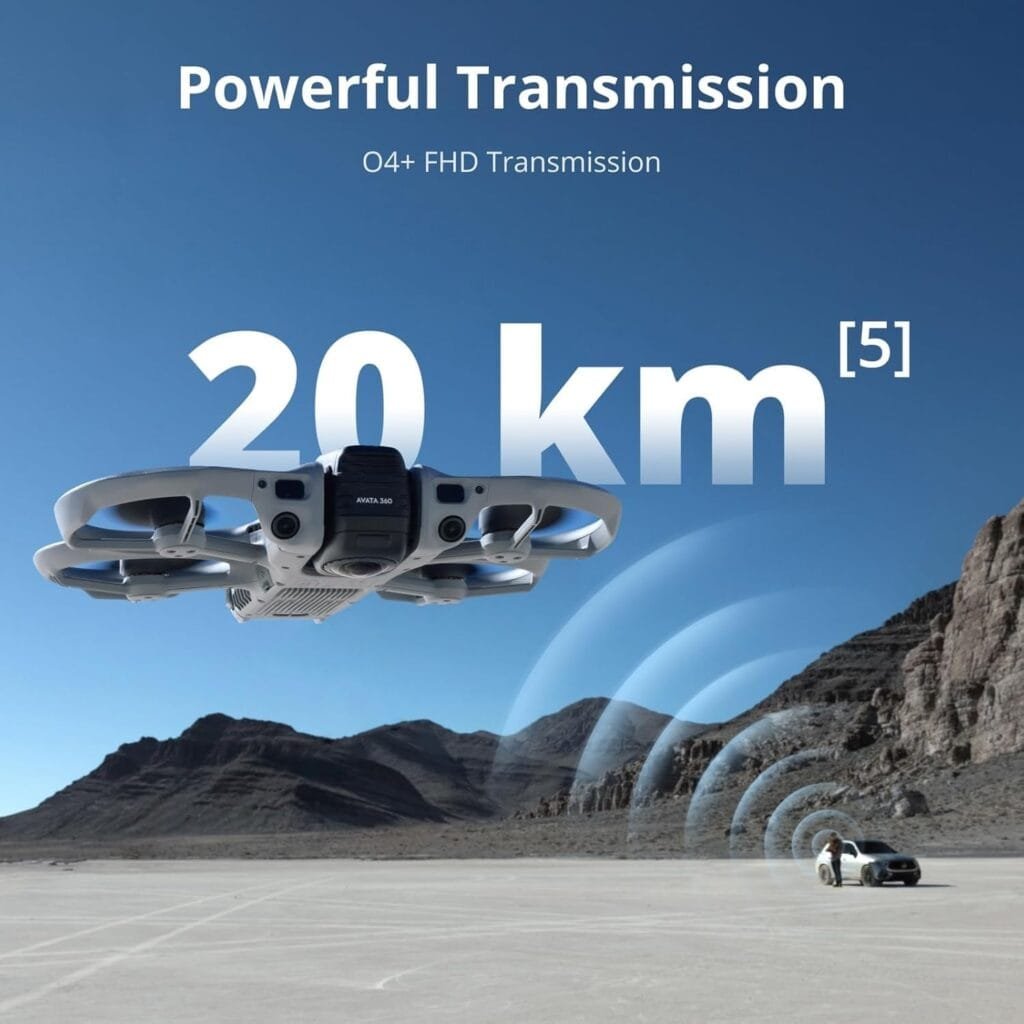
Strong video transmission is important for any drone, especially one designed for creative flying. The O4+ FHD video transmission system is built to deliver a high-definition, high-frame-rate feed at 1080p/60fps. This means pilots can see a smoother and clearer live view while flying.
A reliable live feed helps with confidence. When you are flying near trees, structures, landscapes, or moving subjects, you need to understand where the drone is and what is happening around it. Poor transmission can cause hesitation, missed shots, or unsafe flying decisions.
DJI Avata 360 features strong anti-interference capabilities and supports a range of up to 20 km, depending on conditions and local regulations. While most everyday users may never need that full distance, strong transmission quality is still valuable because it can help maintain a stable connection in more demanding environments.
For creators filming outdoors, transmission performance can make a big difference. Hills, buildings, trees, and signal interference can all affect the flying experience. A stronger transmission system gives the pilot more confidence and helps the drone feel more professional.
The 1080p/60fps feed is also useful for framing and monitoring. Even though 360degree capture reduces the stress of perfect real-time framing, you still want to fly accurately and safely. A smooth live view helps you make better decisions in the moment.
DJI Avata 360 combines creative freedom with serious control, and that balance matters.
Integrated Propeller Guard for Safer Flying
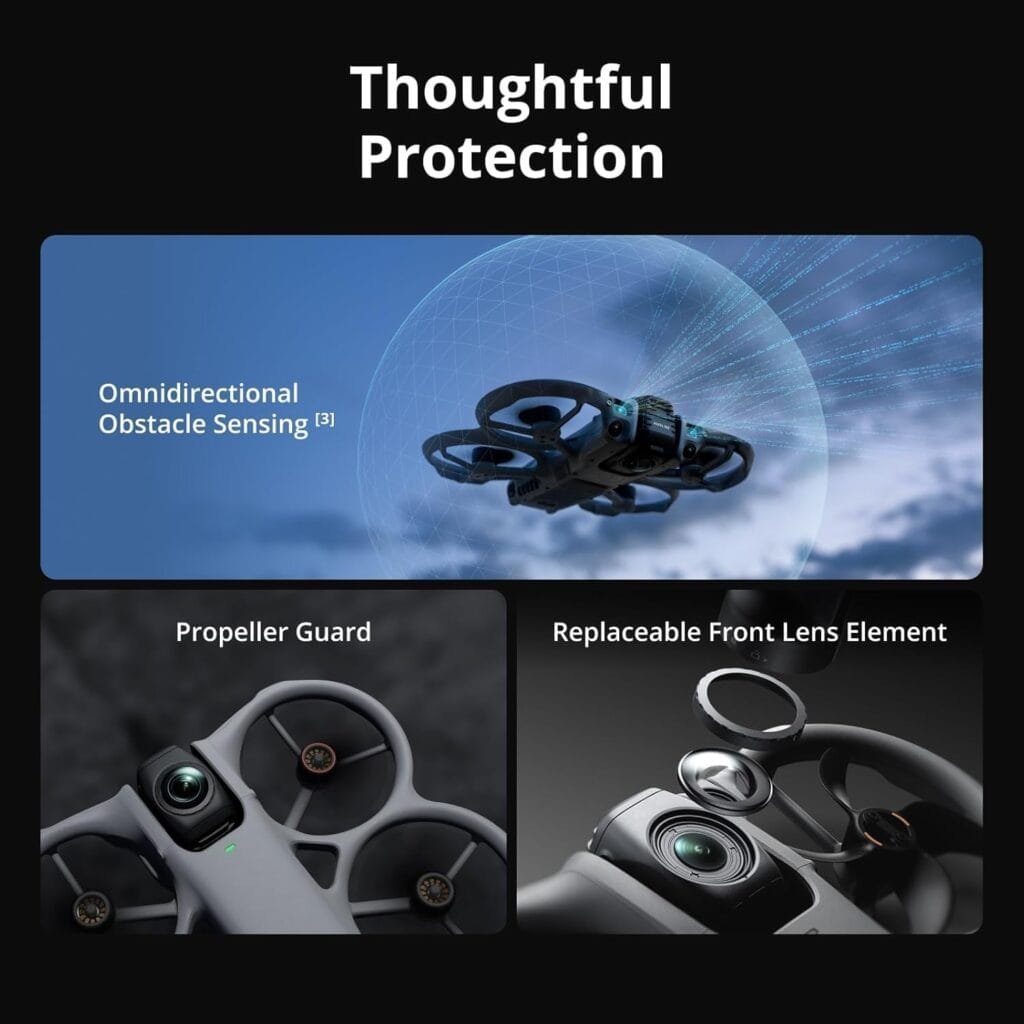
Safety is one of the biggest concerns for drone pilots. Even experienced pilots can make mistakes, especially when flying near obstacles or in tighter spaces. The integrated propeller guard adds another layer of protection by helping reduce the risk of propeller contact.
This is especially important for an Avata-style drone because these drones are often used for more dynamic shots. Pilots may fly closer to subjects, through spaces, or around objects to create immersive footage. A propeller guard does not mean you can fly carelessly, but it can make the drone feel more forgiving.
DJI Avata 360 is designed for confident flying, and the integrated guard supports that goal. It can be helpful when practicing, filming indoors in suitable spaces, flying near branches, or capturing close-perspective movements where a normal open-propeller drone might feel too risky.
For beginners, this safety feature can reduce anxiety. Many new pilots worry about crashing or damaging the drone. A protected design can make early flights feel less intimidating. For professionals, it can help when filming in environments where smooth close movement is part of the creative plan.
The guard also fits the idea of this drone as a practical creator tool. It is not only about high-resolution footage; it is also about giving pilots the confidence to capture more interesting shots.
Omnidirectional Obstacle Sensing, Even in Nightscape Conditions
Obstacle sensing is another major safety feature. DJI Avata 360 includes nightscape omnidirectional obstacle sensing, which helps the drone detect obstacles in low-light situations. This is important because many beautiful drone shots happen when the light is not perfect.
Sunset, blue hour, city lights, evening events, and indoor-style environments can create amazing visuals, but they can also make flying more challenging. Low light reduces visibility for the pilot and can make obstacles harder to judge. Intelligent sensing gives an extra layer of awareness.
Omnidirectional sensing means the drone is designed to monitor obstacles from multiple directions rather than only one side. That can be helpful during 360-degree filming because creators may move, rotate, and reframe footage in ways that are more complex than standard forward flight.
Still, obstacle sensing should be treated as assistance, not a replacement for careful flying. Pilots should always follow local rules, maintain awareness, check the environment, and avoid risky conditions. But having this technology available can make flights feel more secure, especially when capturing creative shots.
DJI Avata 360 feels like it was built for people who want to explore more advanced visual ideas while still having safety support behind them.
The Advantage of Three Batteries (DJI Avata 360)
Battery life is one of the most practical parts of any drone kit. Even the best drone becomes frustrating if you only have a short amount of flying time. This kit includes three batteries, which is a major advantage for creators who want to film more without constantly stopping.
More batteries mean more opportunities. You can scout the location with one battery, capture your main shots with the second, and use the third for extra angles or backup footage. For 360-degree filming, this is especially useful because you may want to experiment with different routes, heights, and movement styles.
DJI Avata 360 also comes with a Charging Hub, which helps keep the workflow organized. Instead of handling batteries one by one in a messy setup, a charging hub makes it easier to prepare for the next shoot. For travel and outdoor work, small conveniences like this matter.
The included Sling Bag is another useful addition. Drone gear needs protection, and creators often move between locations. Having a dedicated bag helps keep the drone, controller, batteries, and accessories together. That means less time searching for parts and more time filming.
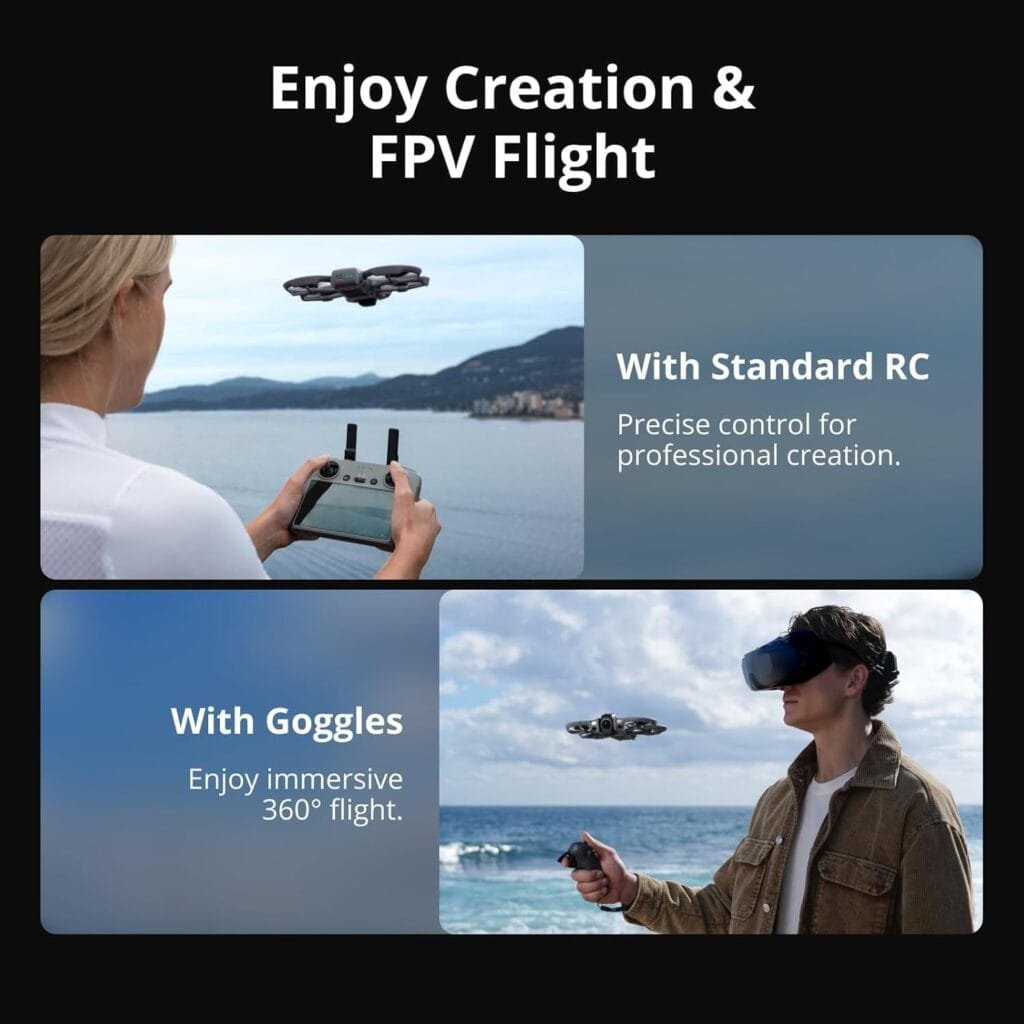
The DJI RC 2 is also included, giving pilots a focused controller experience. A dedicated controller can feel more reliable and convenient than depending only on a phone setup. It helps keep the flying process cleaner and more professional.
DJI Avata 360 as a kit feels designed for people who want to go out and create, not just test a drone for a few minutes.
Why This Drone Makes Sense for Content Creators
Content creators need speed, flexibility, and quality. They often shoot for multiple platforms, each with different formats. YouTube may need horizontal footage. Instagram Reels, TikTok, and YouTube Shorts often need vertical video. Websites and client projects may need wide cinematic clips. Traditional drone footage can work for all of these, but it may require separate flights or careful planning.
DJI Avata 360 helps solve that problem by capturing more visual information in one take. A single flight can be used in multiple ways. This is one of the strongest reasons content creators may find it useful.
A travel creator can film a coastline once and later create a wide cinematic intro, a vertical short, and a dramatic rotating reveal. A real estate creator can fly through a property area and later reframe to show the house, yard, road, and surroundings. An adventure creator can follow movement through a trail and choose the most exciting perspective afterward.
This flexibility saves time and helps reduce missed opportunities. It also encourages experimentation. Since the camera captures everything around the drone, creators can try new movements without worrying as much about perfect framing.
DJI Avata 360 can also help creators develop a recognizable visual style. The ability to rotate, tilt, and reframe gives footage a unique energy. In a crowded content world, that can make a big difference.
App Download Note for Android Users
One practical detail users should know is that, due to platform compatibility issues, the DJI Fly app has been removed from Google Play. Android users should visit the official DJI website to download the user manual and the latest DJI Fly app for the best experience.
This is important because setup matters. Before flying, users should make sure they have the correct app version, read the manual, update firmware if needed, and understand the controller and flight settings. A smooth first flight usually starts with good preparation.
This drone offers advanced features, so taking time to understand the app and controls is worth it. This is especially true for beginners who are new to drone settings, camera modes, safety features, and local flight rules.
It is also wise to check local drone regulations before flying. Transmission range, altitude, location permissions, and flight restrictions can vary by country or area. Responsible flying protects the pilot, the public, and the future of drone use.
Who Should Consider This Drone?
This drone is best for people who want creative flexibility. If you only need simple aerial photos once in a while, a basic drone may be enough. But if you want immersive footage, dynamic camera moves, and the ability to create multiple edits from one flight, this type of drone makes a lot of sense.
This drone is especially suitable for content creators, travel vloggers, action sports shooters, social media editors, real estate creators, and drone enthusiasts who want something more visually exciting than traditional footage.
It is also a good option for creators who often feel limited by framing. If you have ever returned from a flight and wished the camera had been pointing somewhere else, 360-degree capture directly solves that problem.
Beginners can benefit from the safety features and flexible post-production options, while experienced pilots can use the drone to create advanced visual effects and unique movement styles.
This drone is not only about flying. It is about giving creators more freedom after the flight is over.
Final Thoughts (DJI Avata 360)
A great drone should make filming easier, safer, and more creative. It should help pilots capture beautiful footage without turning every flight into a stressful guessing game. That is what makes this drone such an interesting option.
The combination of 1-inch-equivalent sensors, 8K/60fps HDR 360-degree imaging, O4+ FHD video transmission, integrated propeller guard, omnidirectional obstacle sensing, dual shooting modes, and a complete kit with three batteries creates a strong package for serious creators.
The biggest advantage is creative freedom. You can capture a full scene, reframe later, export different formats, and turn one flight into many finished clips. For today’s content world, that is extremely valuable.
This drone is built for creators who do not want to be limited by one angle. It gives you room to experiment, room to correct, and room to tell a better visual story. Whether you are filming travel memories, action shots, business videos, real estate content, or cinematic social media clips, this drone offers a fresh way to capture the world from above.
If you want a drone that feels flexible, immersive, and ready for modern content creation, this drone is a powerful choice to consider.

DJI Avata 360
DJI Avata 360 Fly More Combo (RC 2), 360° Drone With 1-Inch 8K 360° Imaging for FPV & Aerial Filming, 360° Camera Drone With Propeller
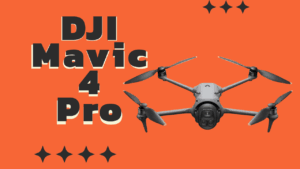
DJI Mavic 4 Pro
DJI Mavic 4 Pro Fly More Combo with DJI RC 2 (Including 1-Year DJI Care Plan): Flagship Tri-Camera Drone with 100MP 4/3 CMOS Hasselblad Camera,
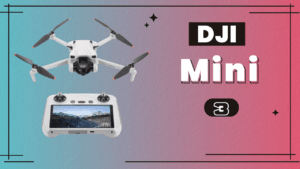
DJI Mini 3
DJI Mini 3 (DJI RC), Lightweight 3x Mechanical Gimbal Drone with Camera for Adults 4K, 38-min Flight Time, up to 32800ft (10km) Video Transmission, Vertical
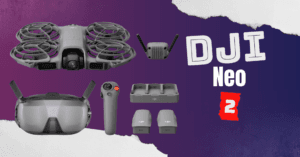
DJI Neo 2
DJI Neo 2 Motion Fly More Combo With RC Motion 3 & Goggles N3, Stable Transmission With Digital Transceiver, 4K Drone for Beginners, FPV Flying,
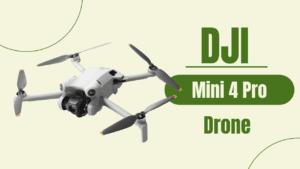
DJI Mini 4 Pro
DJI Mini 4 Pro Drone Fly More Combo Plus with RC 2 Controller (With Screen) Folding Drone with 4K Video, Under 249g, 45 Mins Flight
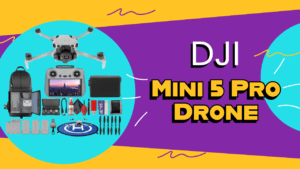
DJI Mini 5 Pro
DJI Mini 5 Pro Drone RC2 Fly More Combo Plus Lightweight Camera Aerial UAV Bundle | Extended Flight Smart Tracking Portable Kit with 64GB Card